
Materials · Rock
Decorative Rock, Pebble & Decomposed Granite
River rock, Mexican beach pebble, black rock, boulders and decomposed granite: what each one is, where it works, and the projects where we’ve used them.
Veteran-ownedMilitary discipline on every job
Free estimatesWritten quote after we see your yard
Built to lastProper base prep, edging and grading
Clean job sitesCleaned up daily, gates closed
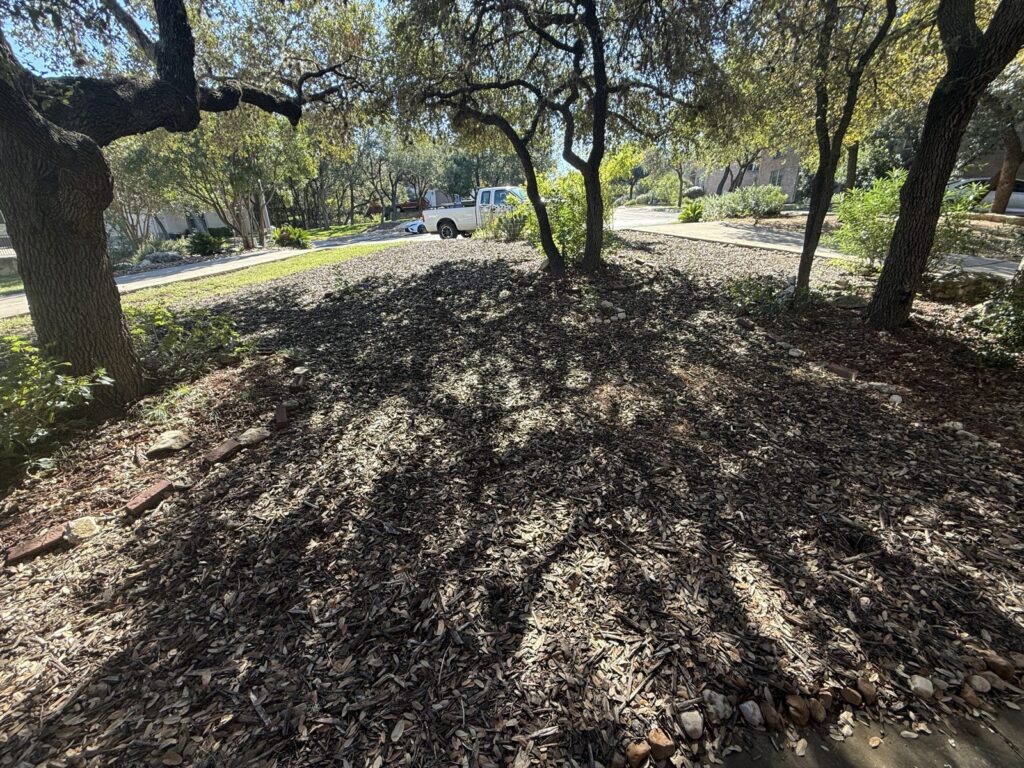
Why rock instead of mulch
Rock doesn’t break down, blow away or need replacing every season the way mulch does. It handles San Antonio heat, drains well, and gives beds a clean, finished look. The trade-off: rock holds heat in full sun, and it’s heavier to change later, so it’s worth picking the right type up front.
Types of rock we use
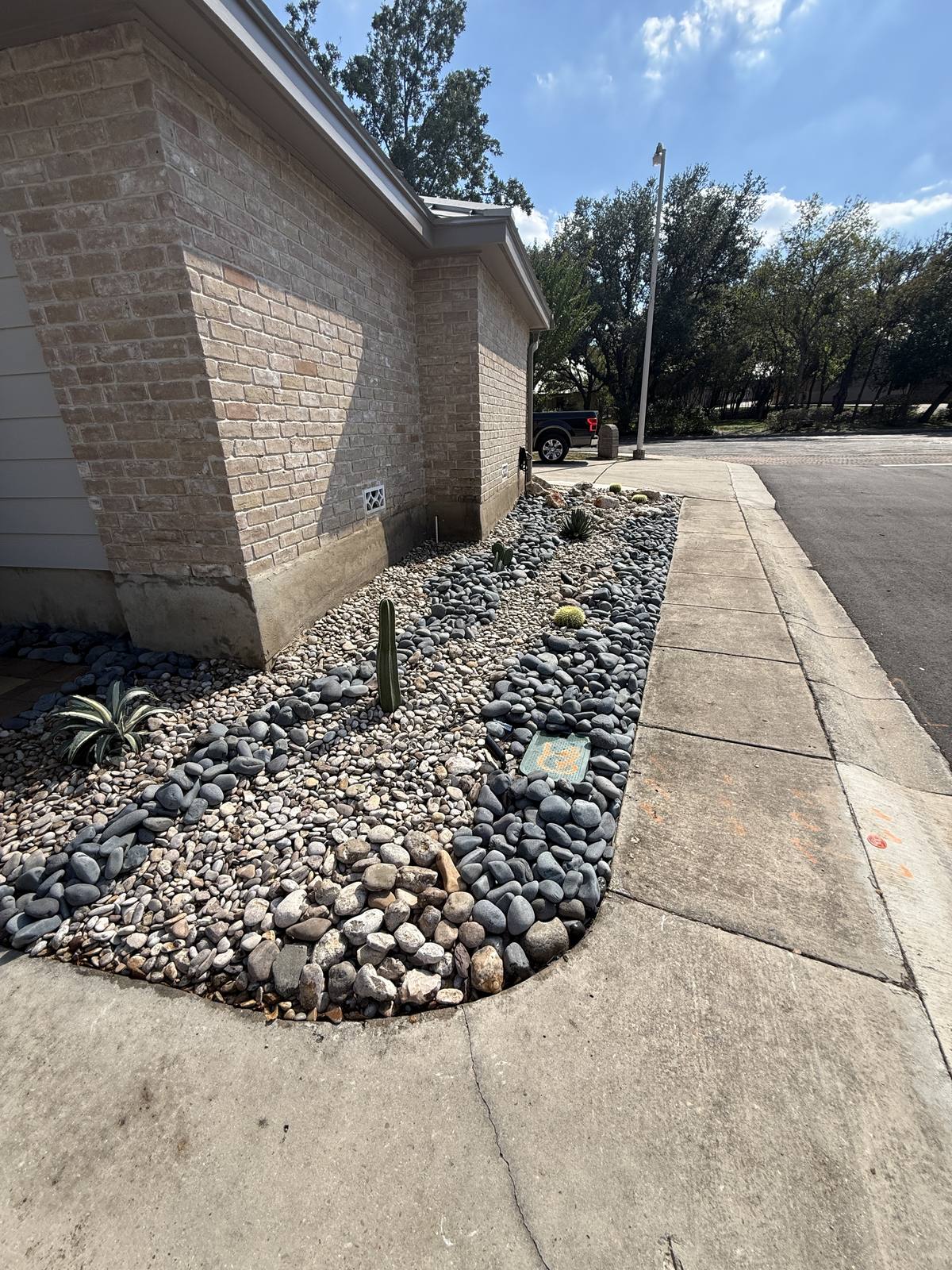
River rock
Smooth, rounded stones tumbled by water, sold in size ranges such as a 1–3 inch blend. River rock works in flower beds, dry creek beds, around stepping stones and in tree rings. It drains freely and stays put better than small gravel on slopes.
Mexican beach pebble
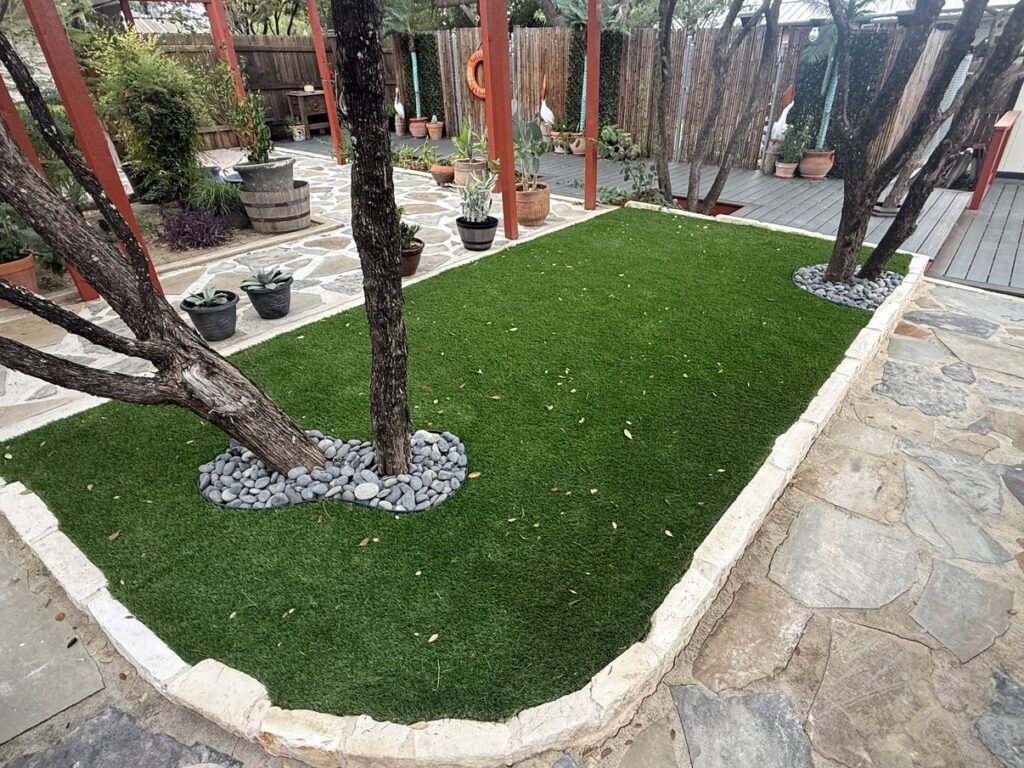
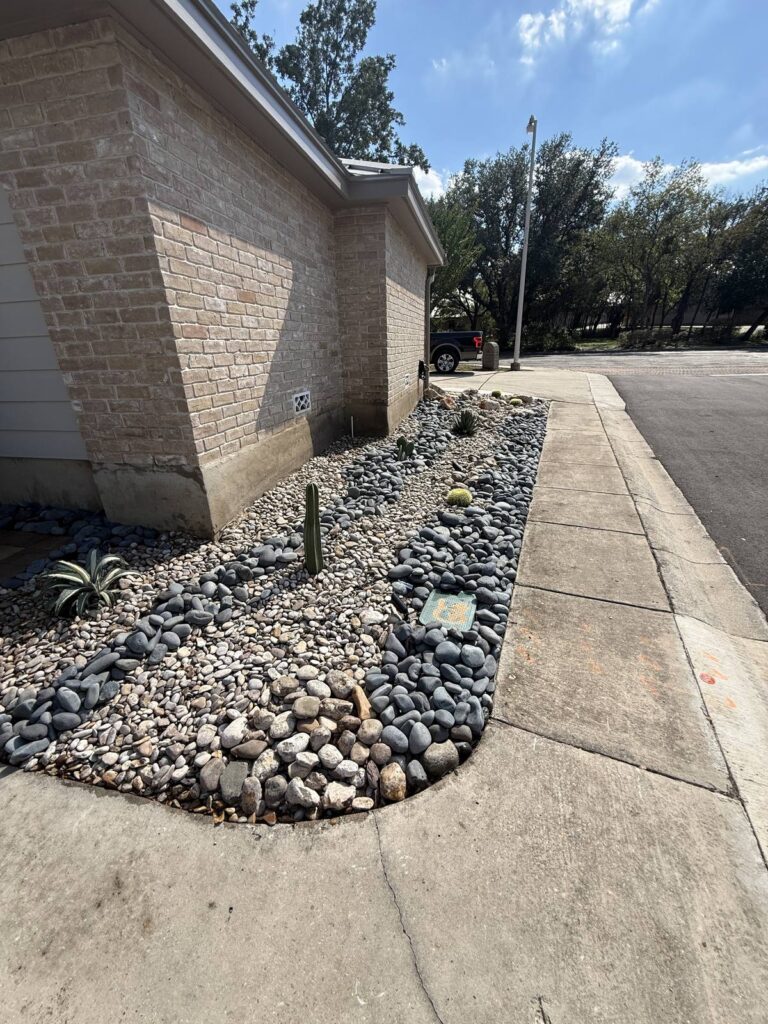
Very smooth pebbles in dark gray to black. It usually costs more than river rock, so it’s often used where it shows most: accent bands, borders, around trees and next to turf for contrast.
Black rock
Dark decorative rock that adds contrast next to tan stone, concrete pavers and green lawn. Like any dark surface, it gets hotter in full afternoon sun.
Boulders
Large stones used as focal points, to anchor a bed, or to hold back a slope. Setting a boulder partly below grade makes it look like it has always been there.
Rip rap
Coarse, angular, fractured stone, often limestone, used to build heavy-duty, erosion-resistant barriers and to stabilize slopes. The rough, broken faces lock together, so the stones resist being moved by running water. It’s a practical choice for a slope that keeps washing soil onto a driveway or walkway.
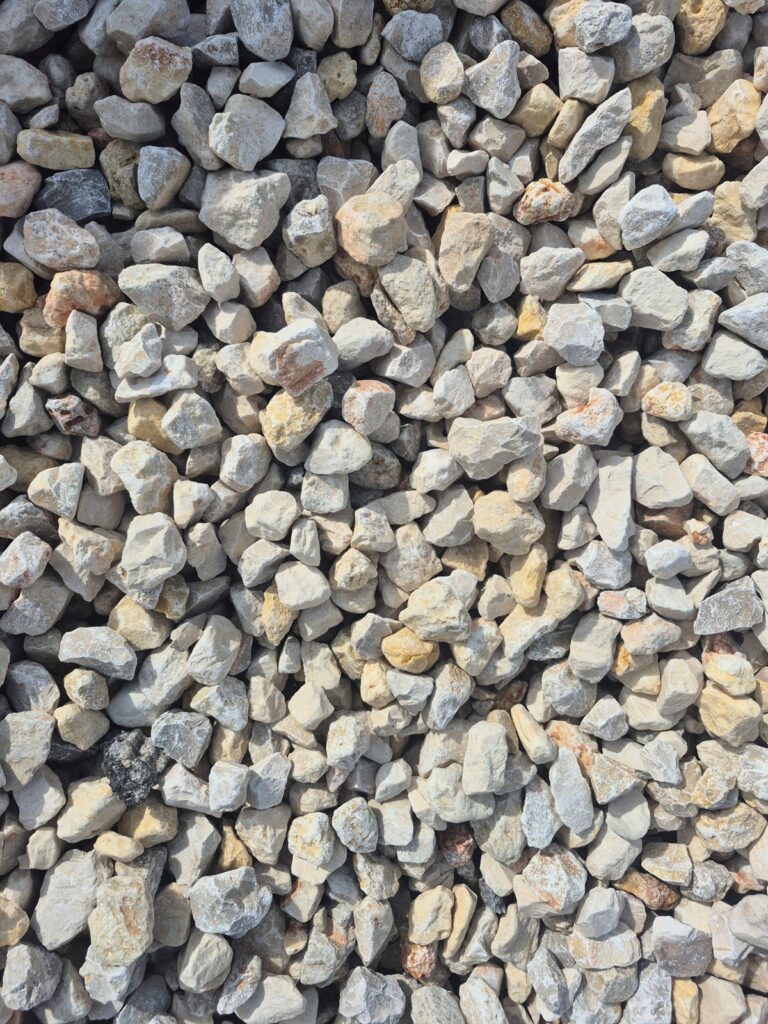
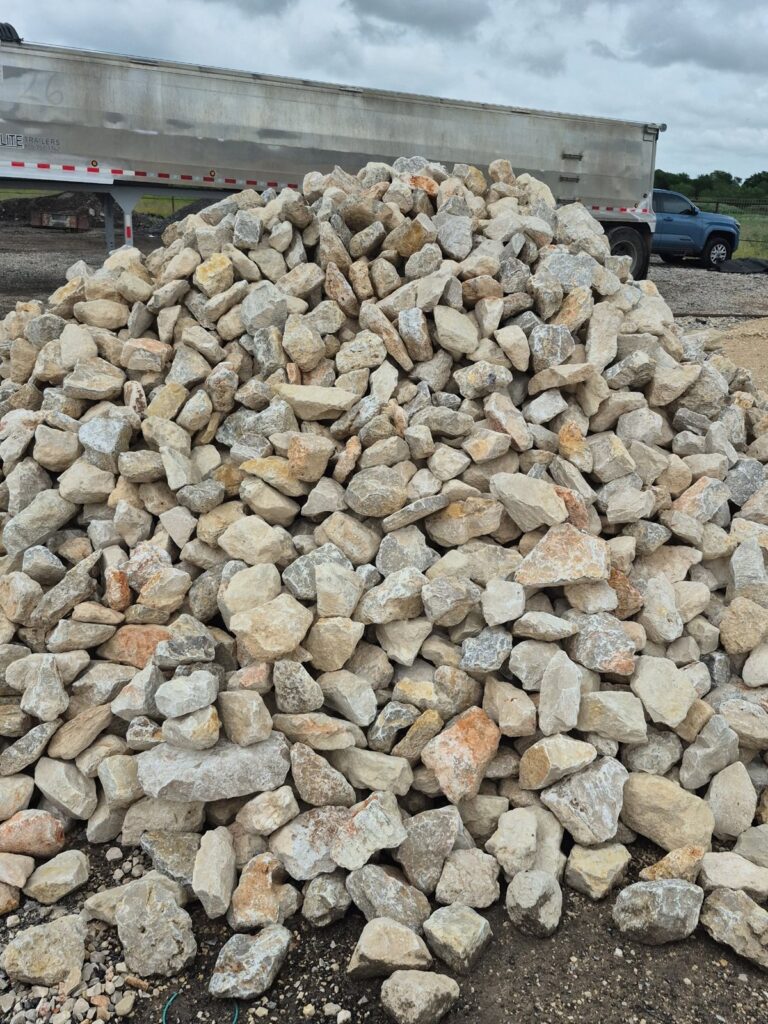
See it on a finished job: railroad-tie wall to limestone rip rap erosion control.
Pea gravel
Small, rounded gravel, roughly the size of a pea. It’s used for paths, sitting areas and as a filler between stepping stones. Because the stones are round, they shift underfoot and can wash down a slope, so pea gravel works best on level ground with a border or edging to hold it in place. On our Cedar Creek erosion control project, we reused the homeowner’s existing pea gravel as part of the new design.
Decomposed granite
Granite weathered into small pieces and fines. Compacted, it forms a firm surface that still lets water through, so it’s used for paths and sitting areas, and as a smooth, compacted layer under artificial turf or pavers.
Landscape fabric
A permeable fabric laid under rock. It keeps the rock from sinking into the soil and slows weeds coming up from below. It doesn’t stop every weed: seeds that land on top of the rock can still sprout, so an occasional pull is still part of the routine.
Tree rings
A ring of rock around a trunk keeps mowers and trimmers off the bark and gives the lawn a clean edge. Keep rock pulled back from the base of the trunk rather than piled against it.
Rock in flower beds
Rock around existing shrubs gives a bed a tidy, low-upkeep finish. Pair it with a border or edging so the rock stays in the bed and the grass stays out: see landscape edging.
How to choose decorative rock
Rock isn’t one-size-fits-all. The right stone depends on what the area needs to do, the look you want and your budget. Here’s how we think about it.
Local stone vs. imported
The stone we show on this page is sourced locally, here in Texas. Local material is usually much less expensive than imported Mexican beach pebble and some other river rocks.
Where river rock comes from
River rock is stone that moving water has tumbled smooth over a very long time, in riverbeds and old river deposits. Quarries dig it out, wash it and run it through screens that sort it into size ranges, so you can choose small pebbles or larger stones.
Crushed stone, like limestone and granite, is broken at the quarry and screened into sizes too. That’s why it has sharp, angular edges instead of rounded ones.
Imported stone like Mexican beach pebble is gathered along beaches in Mexico, sorted by size and color, then bagged and shipped north.
Why prices vary
Rock prices depend on the quarry, how the stone is processed and how far it travels. We can find and ship material from all over the country, but freight and every middleman along the way add to the cost. Unless budget is no issue, local stone is usually the best choice.
The right rock for the job
- River rock works well for borders, xeriscaping and accents. See river rock.
- Road base and decomposed granite are for base work and paths: a firm, compacted layer under pavers, steppers and turf. See decomposed granite.
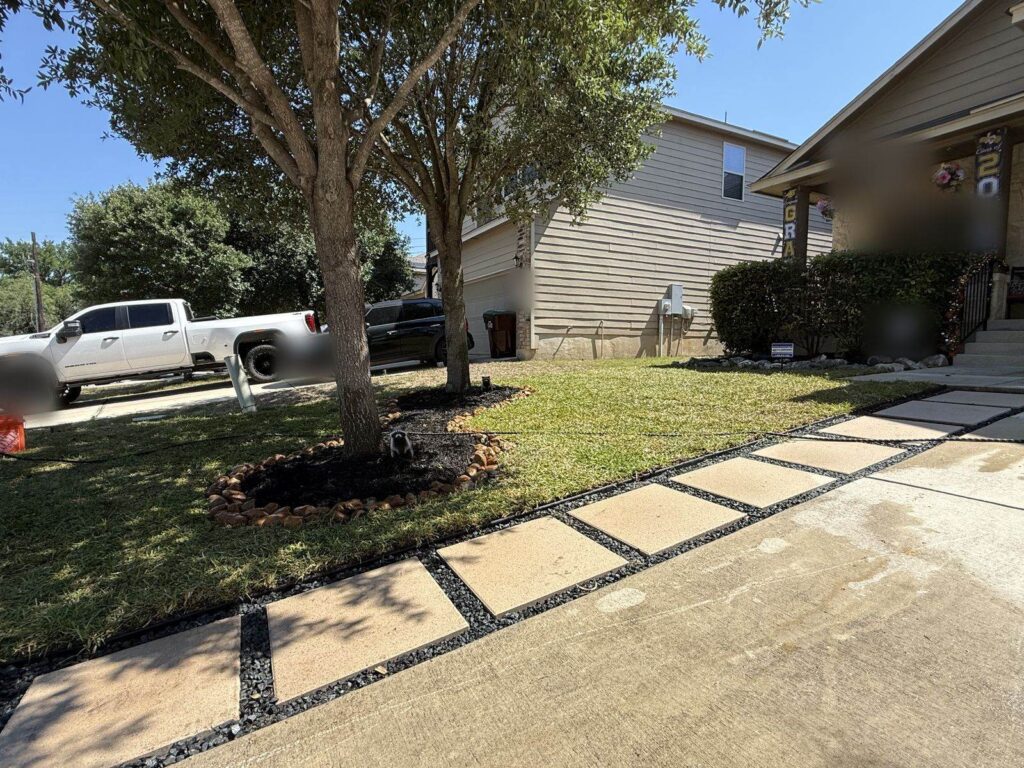
- Shadow rock adds contrast and a modern touch, especially paired with stone in different colors or tones. We used it between the concrete steppers on our Wolf Creek project.
- Rip rap holds slopes and stops erosion. See rip rap.
Contrast and texture
Color matters, but so does texture. Smooth rock pairs well with other smooth rock for a calm, cohesive look. For more layers and contrast, mix it up: a different style, color, size or texture gives the whole design more depth.
Some of the local stone we use
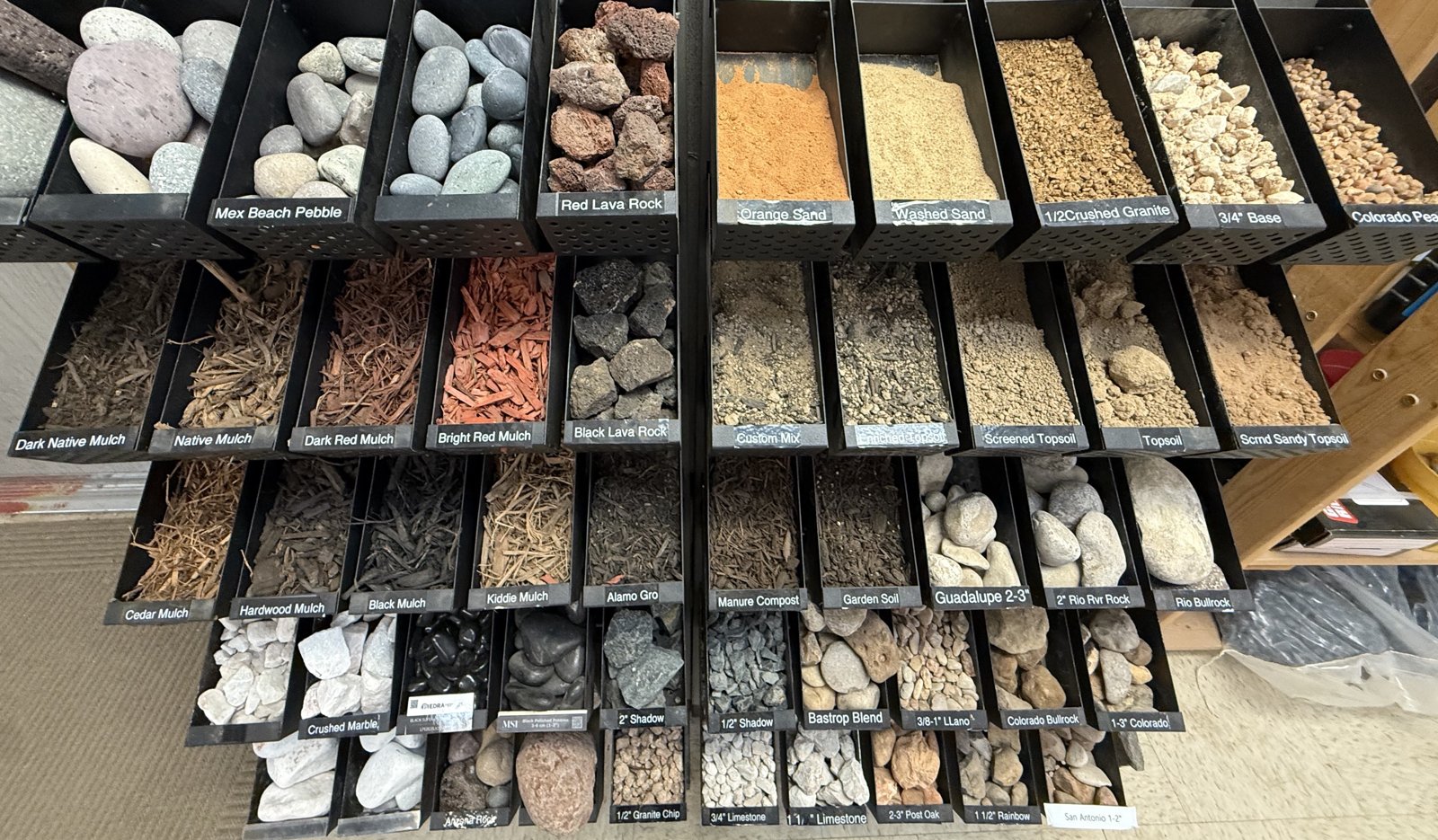
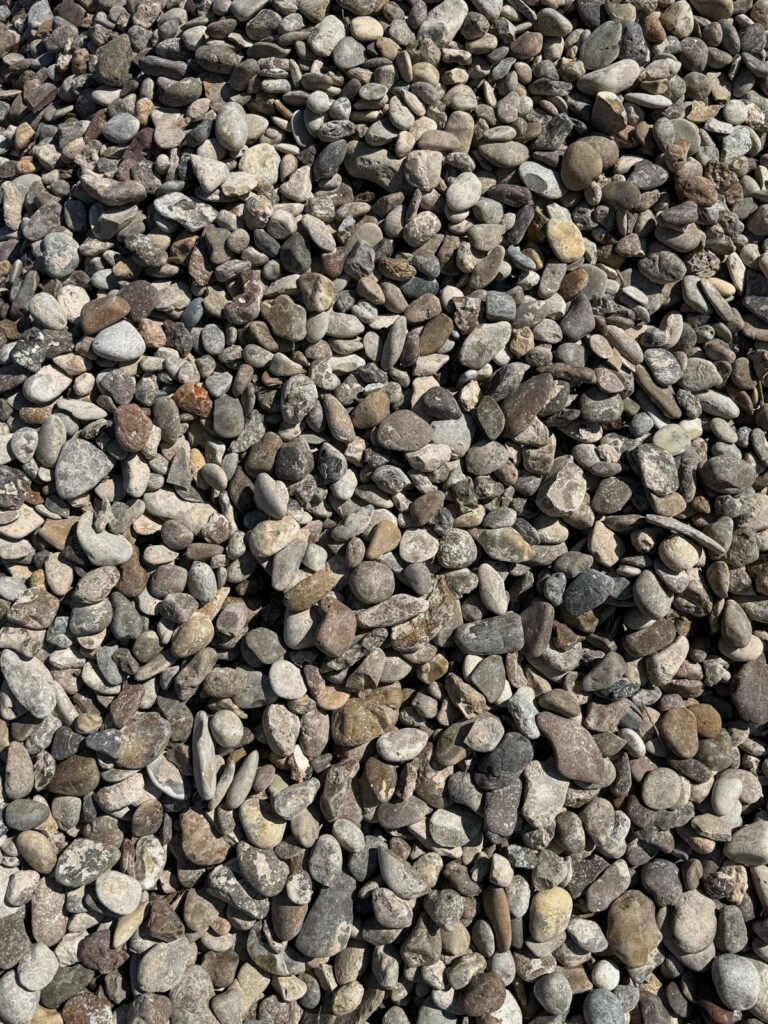
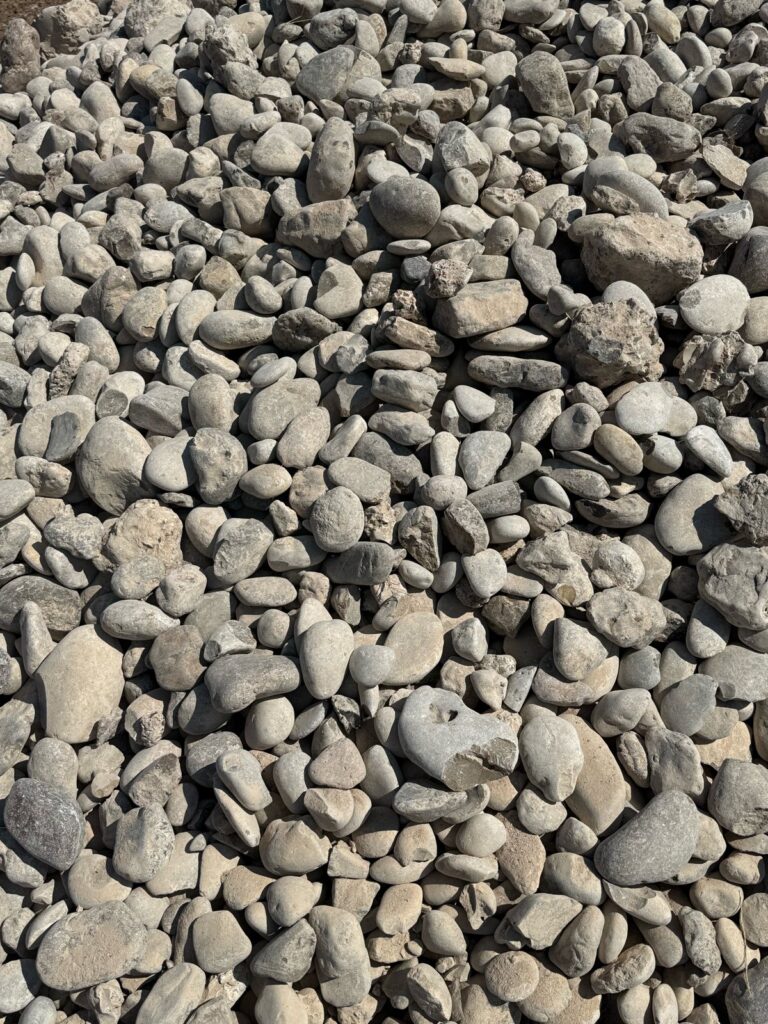
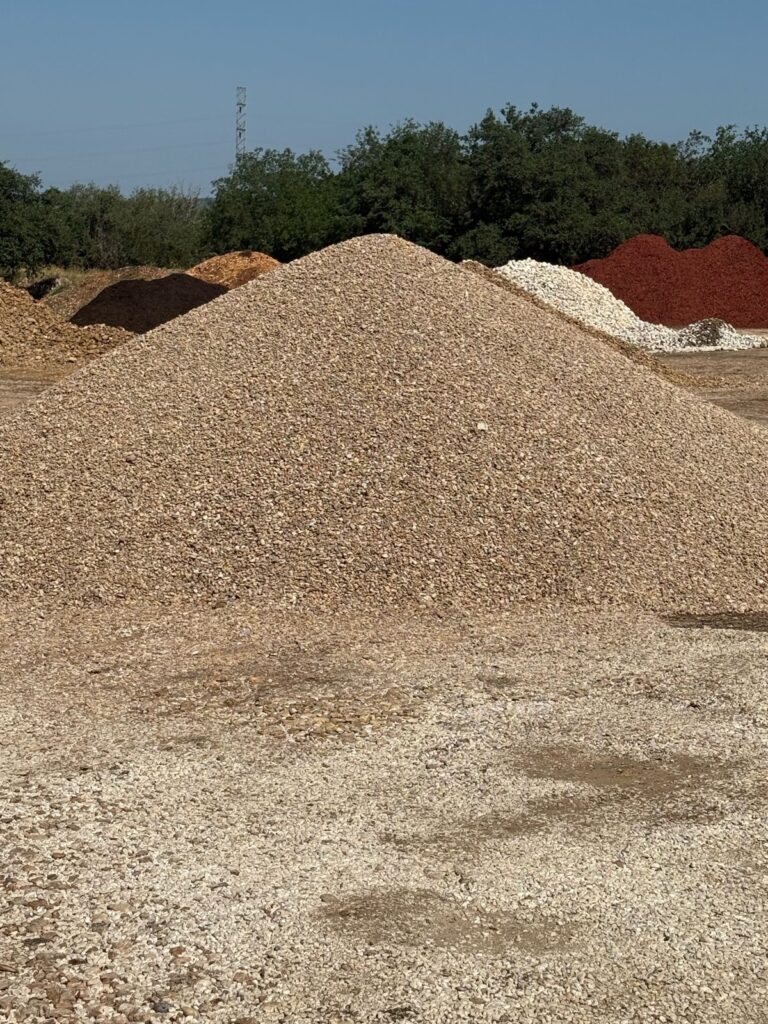
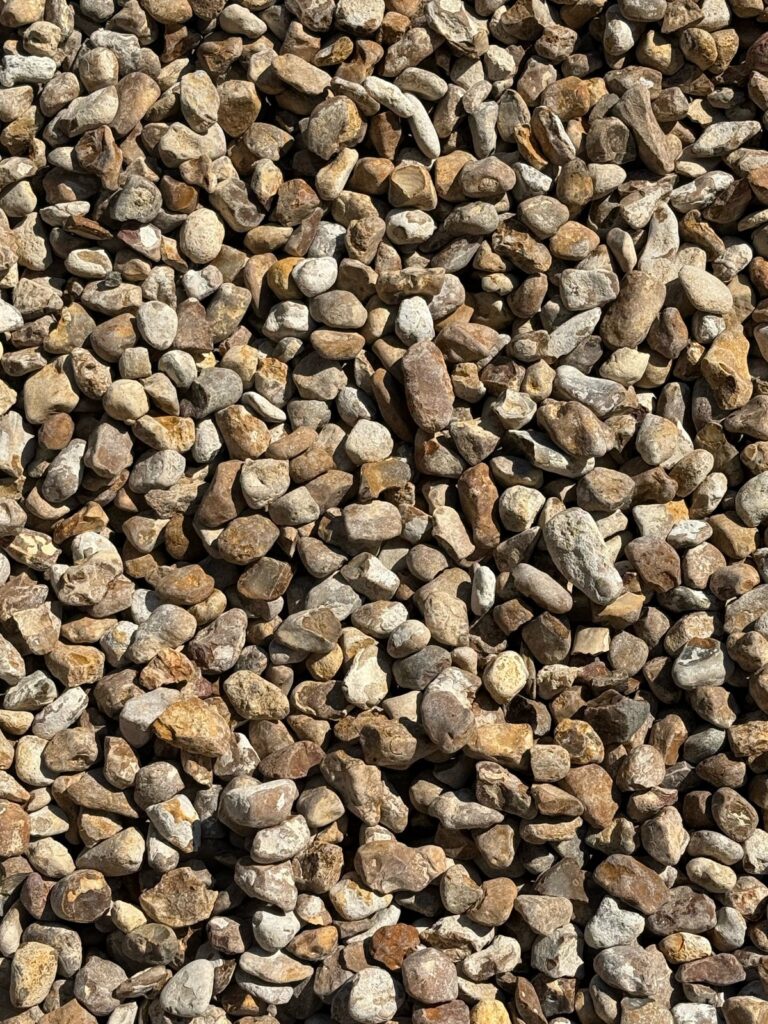
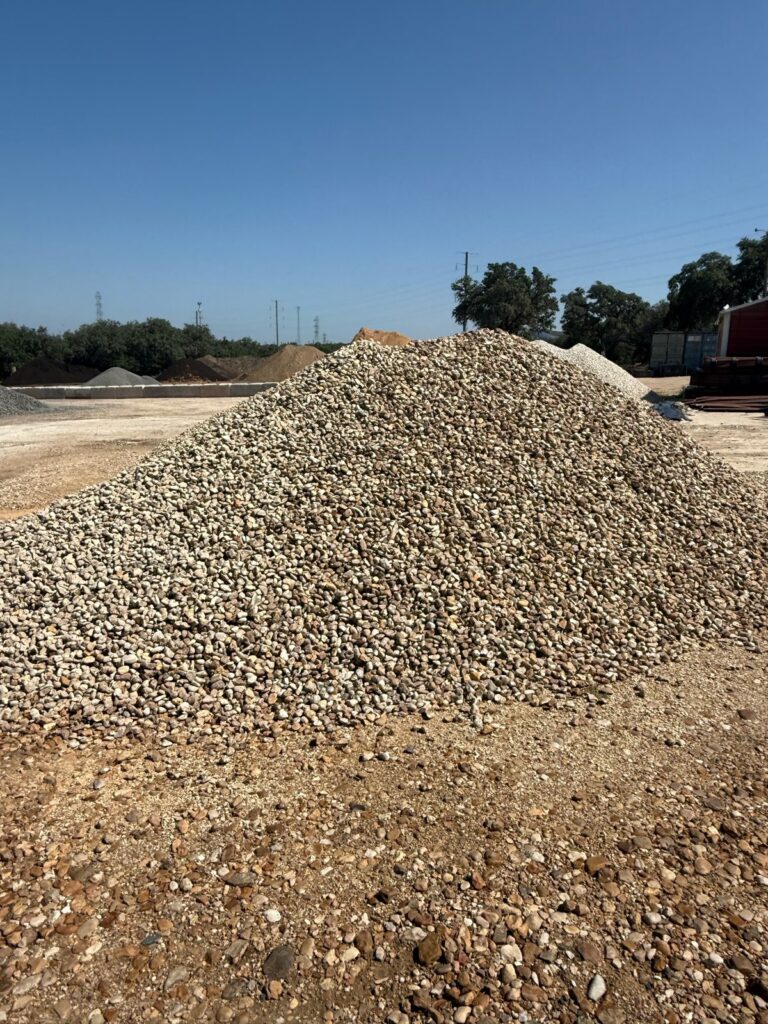
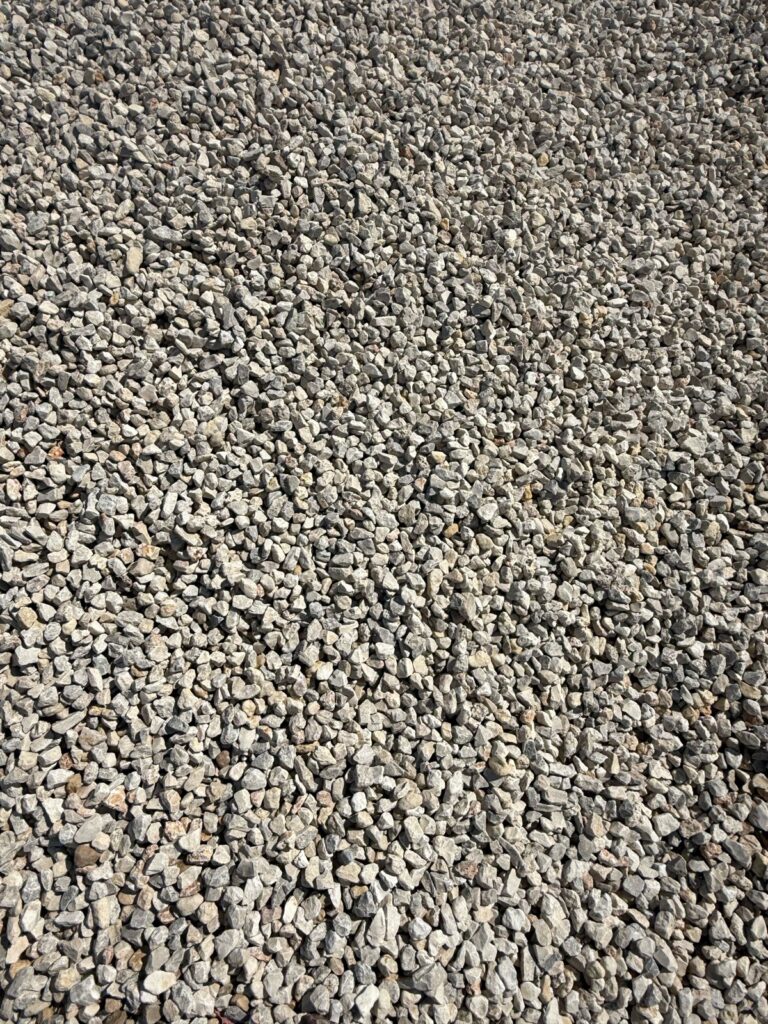
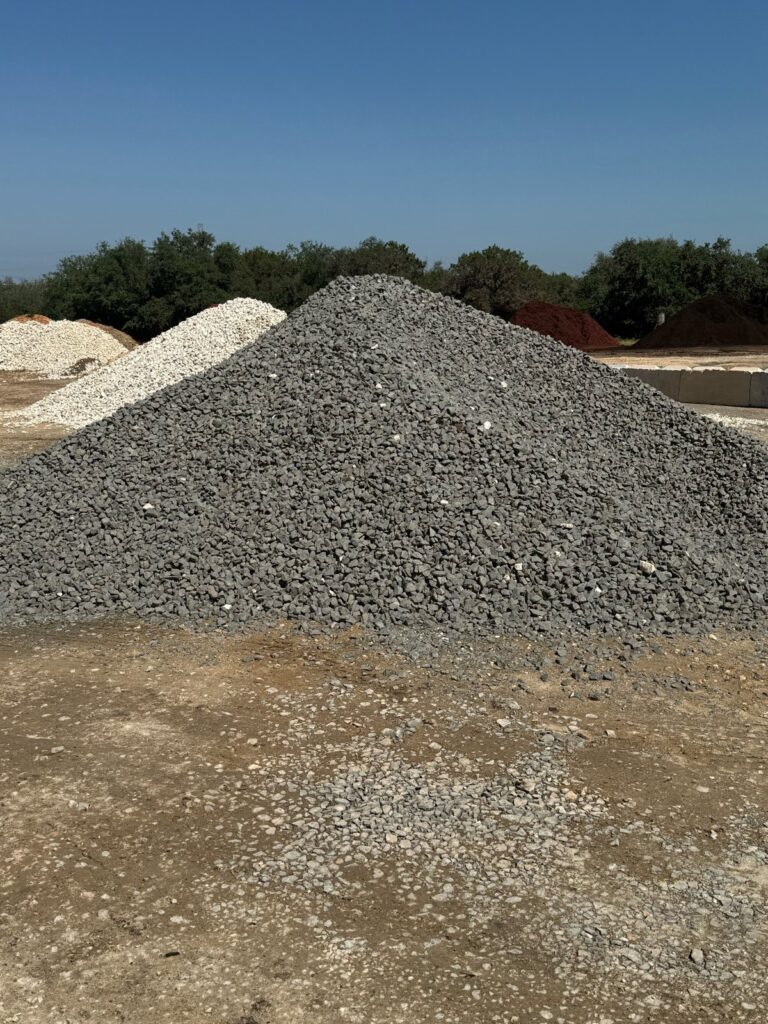
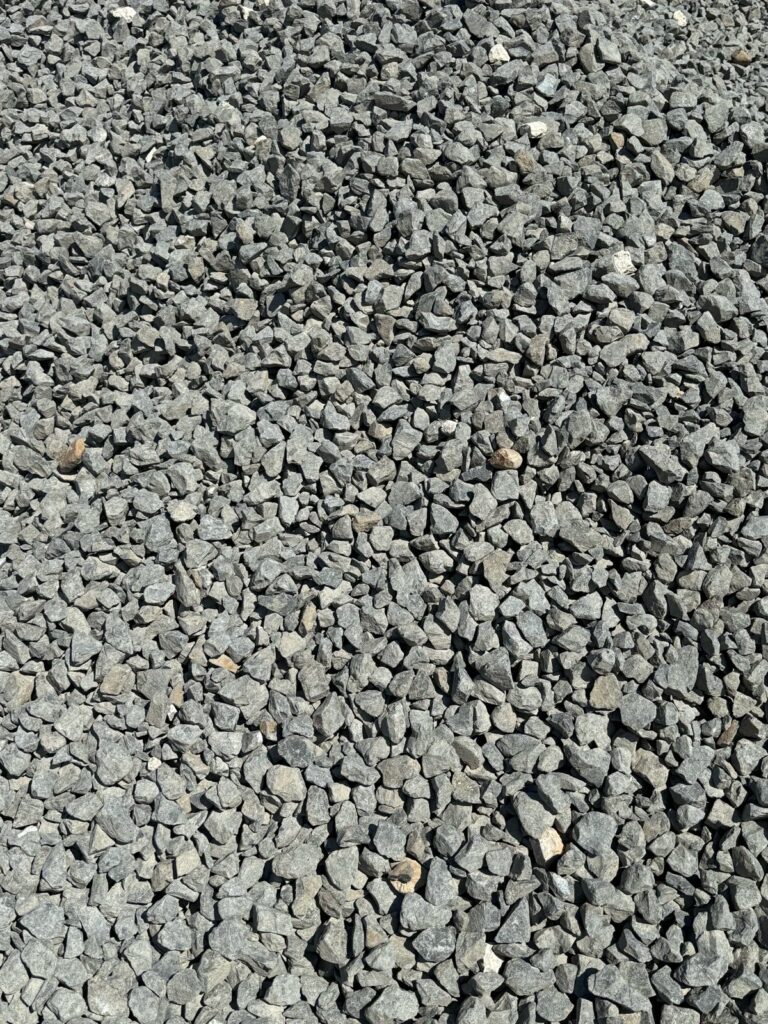
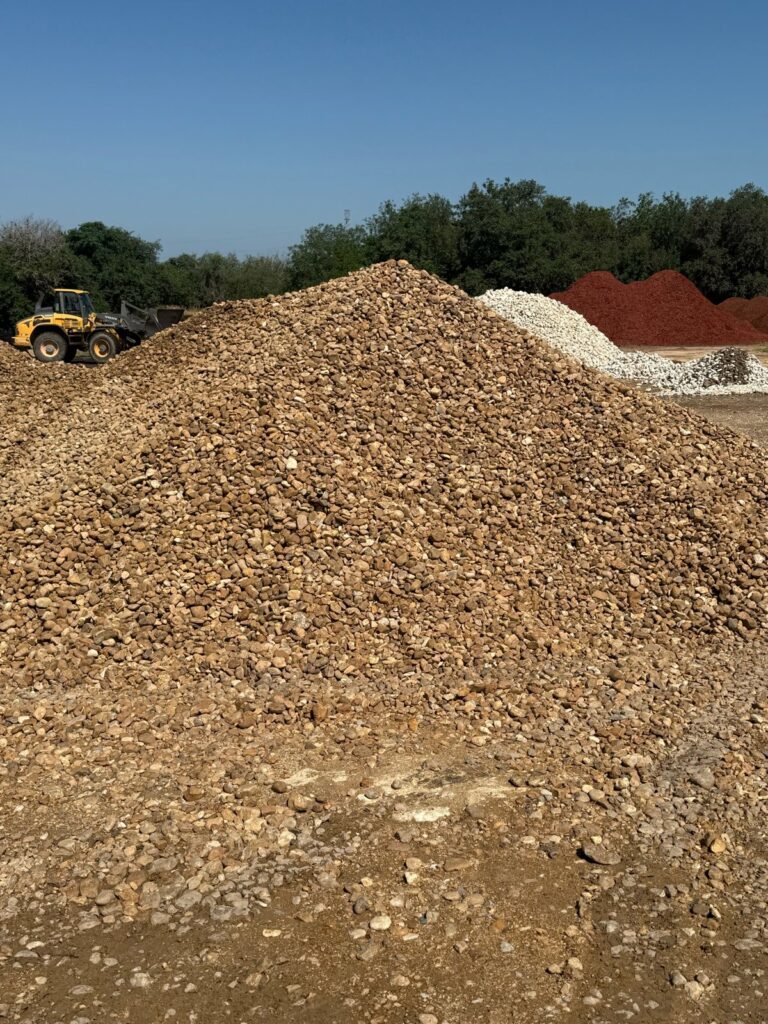
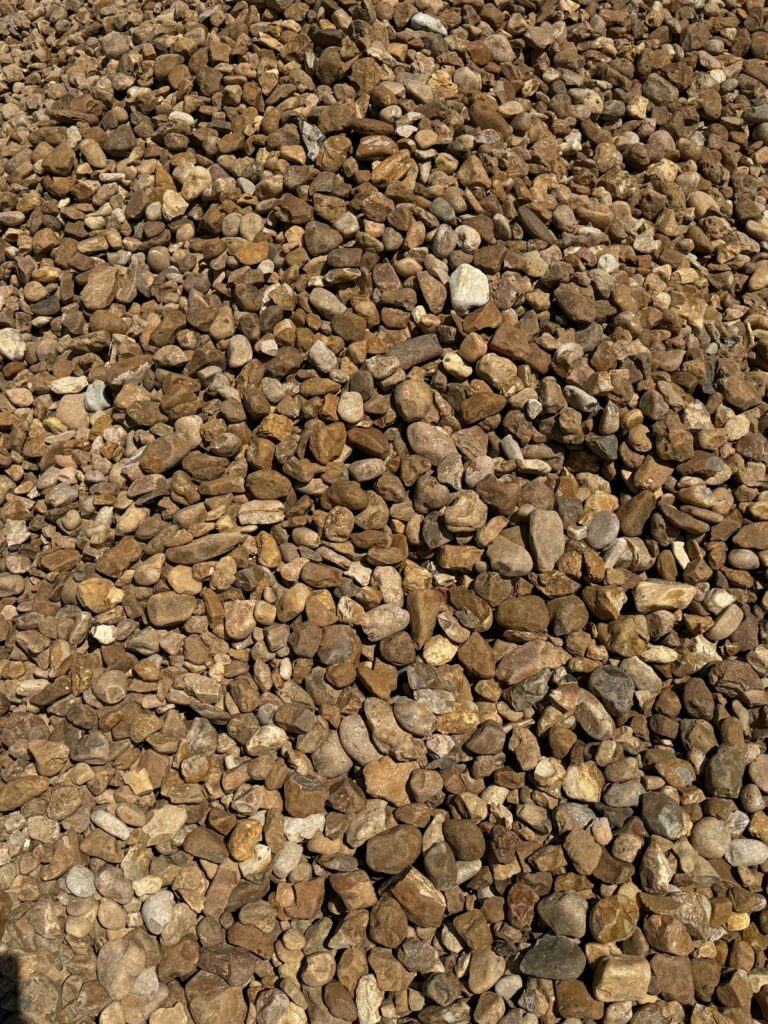
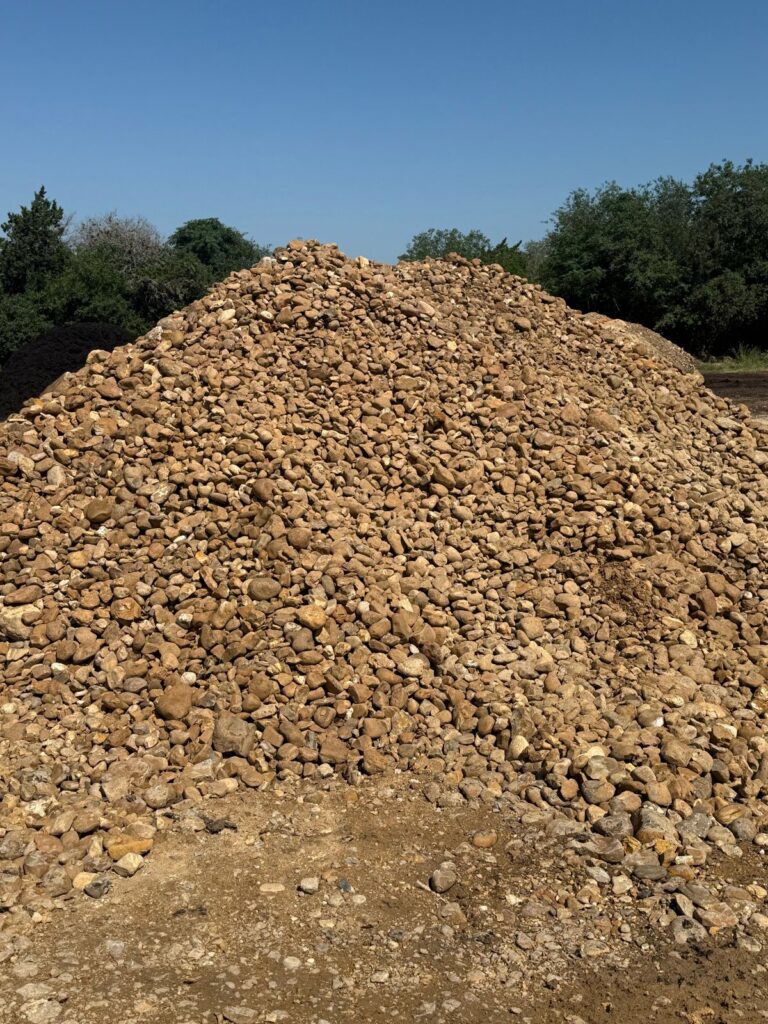
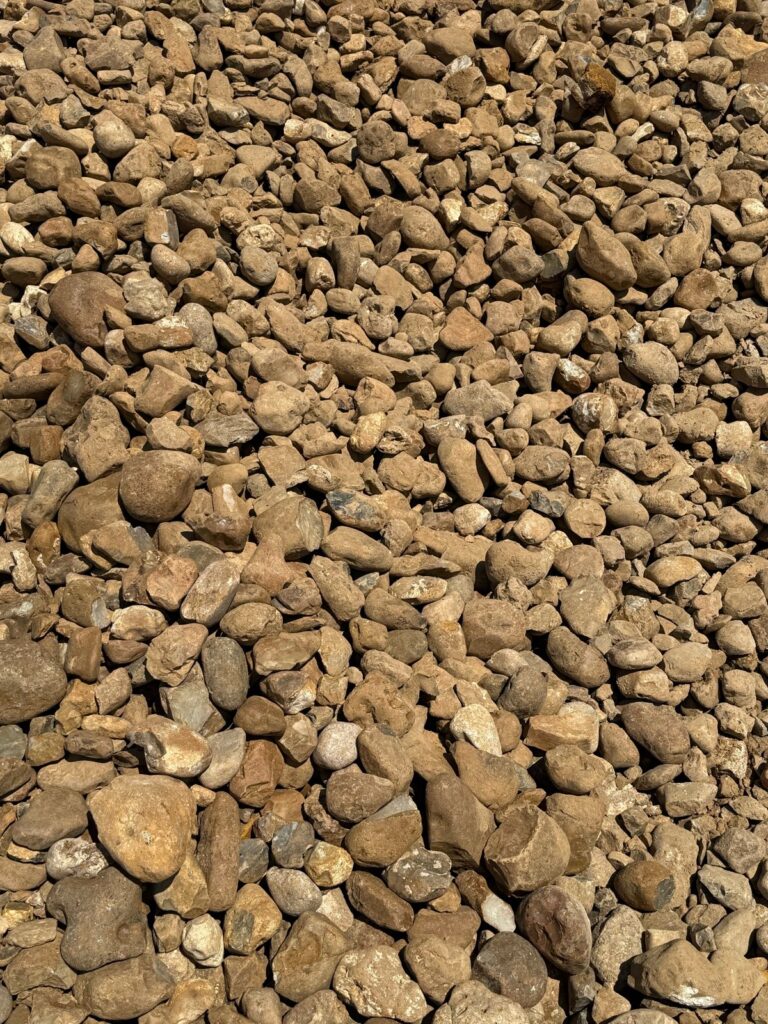
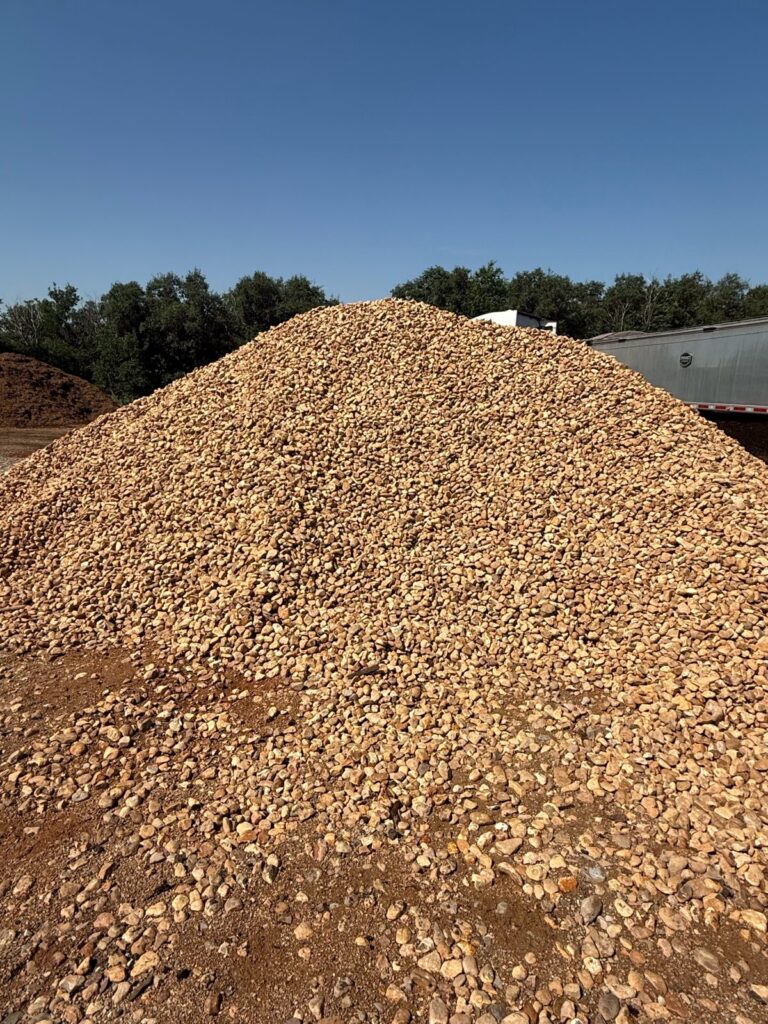
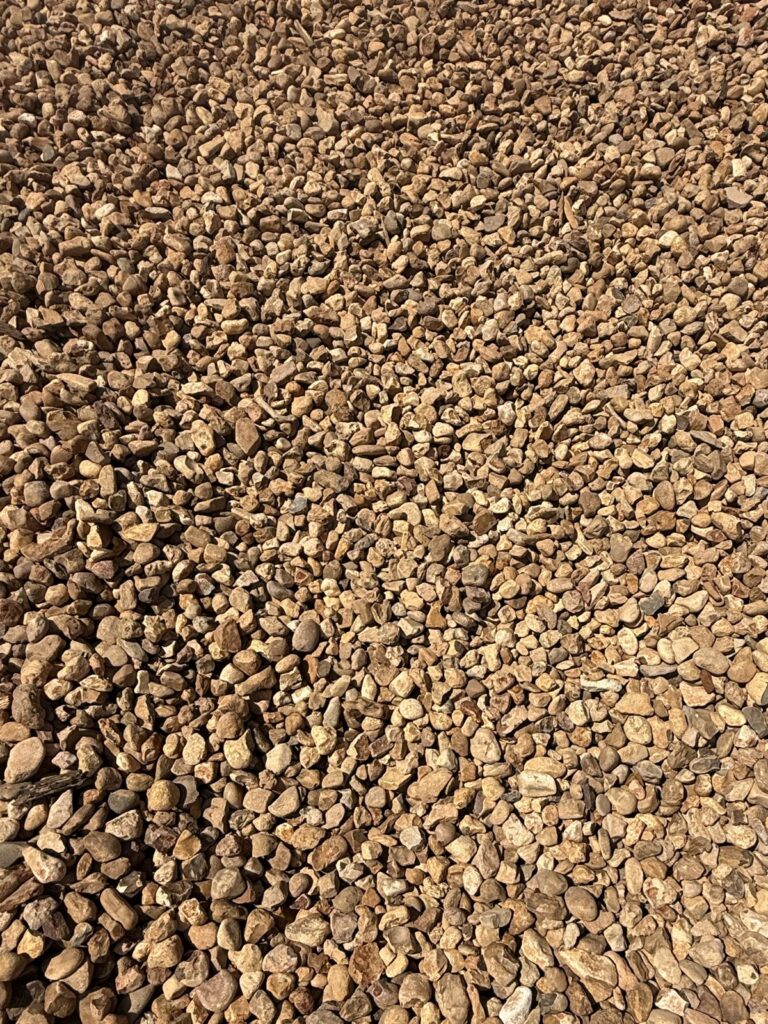
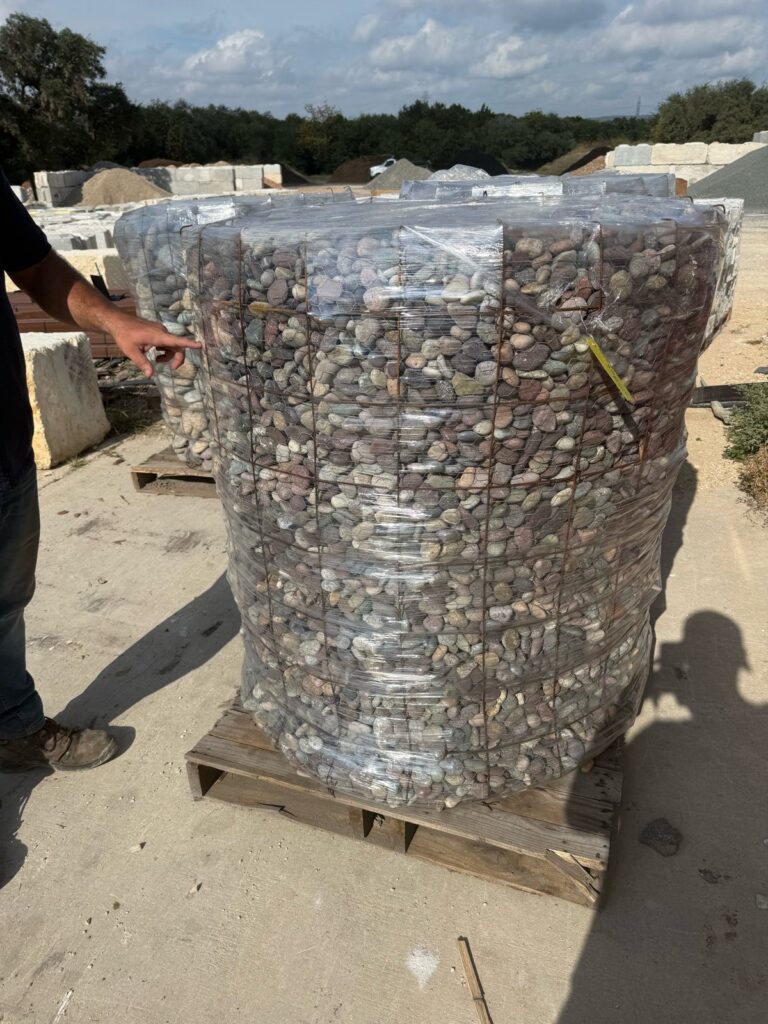
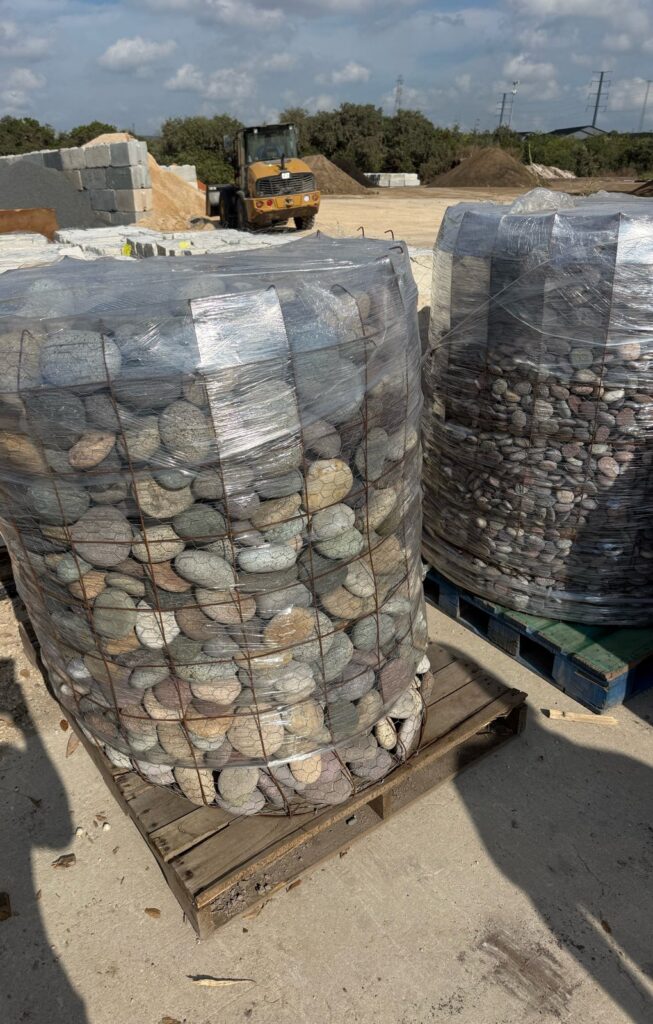
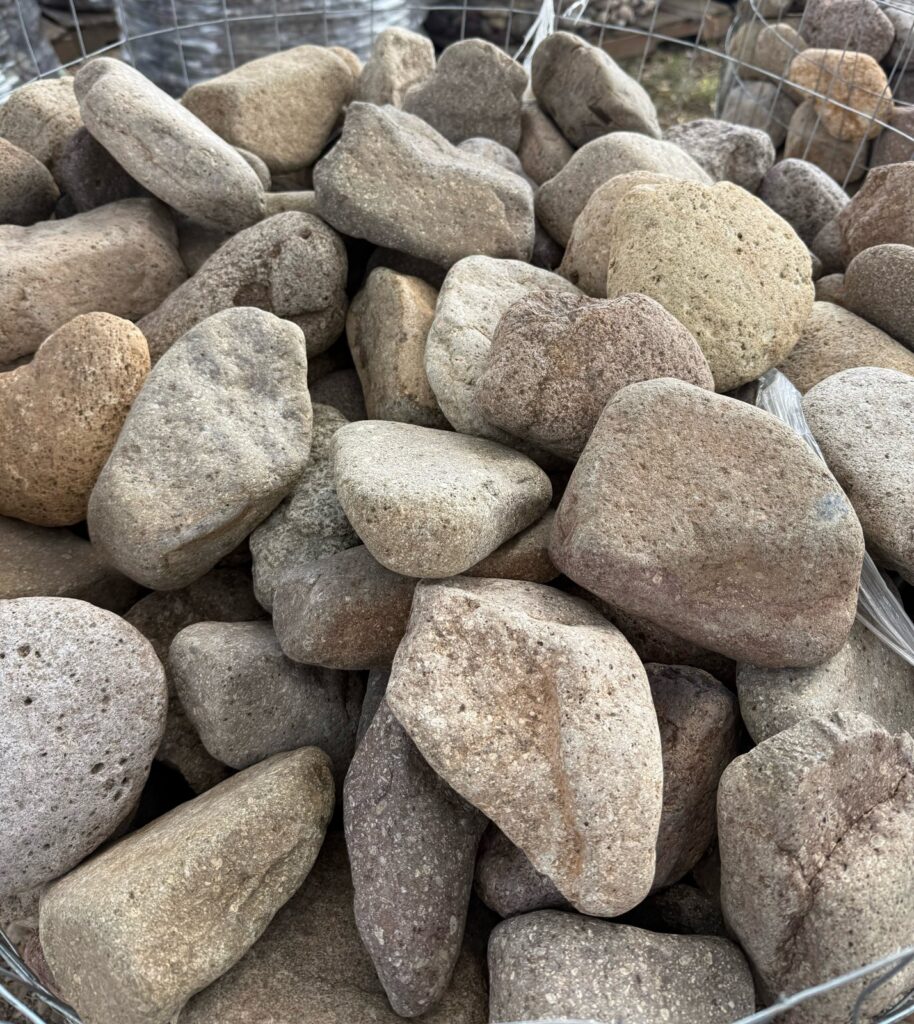
A few of the local stones and pebbles we work with
Materials we work with include:
- Rio rock
- Bull rock
- Colorado river rock
- Decomposed granite
- Limestone rip rap
- Limestone gravel
- Shadow rock
- Mexican beach pebble
- Post Oak
- Texas blend
- Arizona river rock
- Rainbow rock
- Pea gravel
- And more
Every yard is different, so ask your RedMill design specialist or your point of contact for suggestions. A professional will guide you to the right stone, size and color for your space.
Not sure which rock is right? Let us help.
Ask about our landscape design services for the best approach and guidance. We tailor the design to your budget, style and how you use your yard.
To get the most out of a free estimate, tell us:
- How the area is used: kids, pets, foot traffic, or a spot you only look at.
- Sun, shade and water: where it gets afternoon sun and where water runs or puddles after a rain.
- Your budget range, so we can suggest local stone that fits it.
- The style you like: natural, modern, Texas native, desert, Mediterranean.
We bring samples. On the first call, when we talk about your goals, we get a sense of the style you like best and bring samples to match. During or after the design consultation, we may bring more, depending on your overall goals.
Projects with decorative rock
Every finished project we tag with one of these materials shows up here automatically.
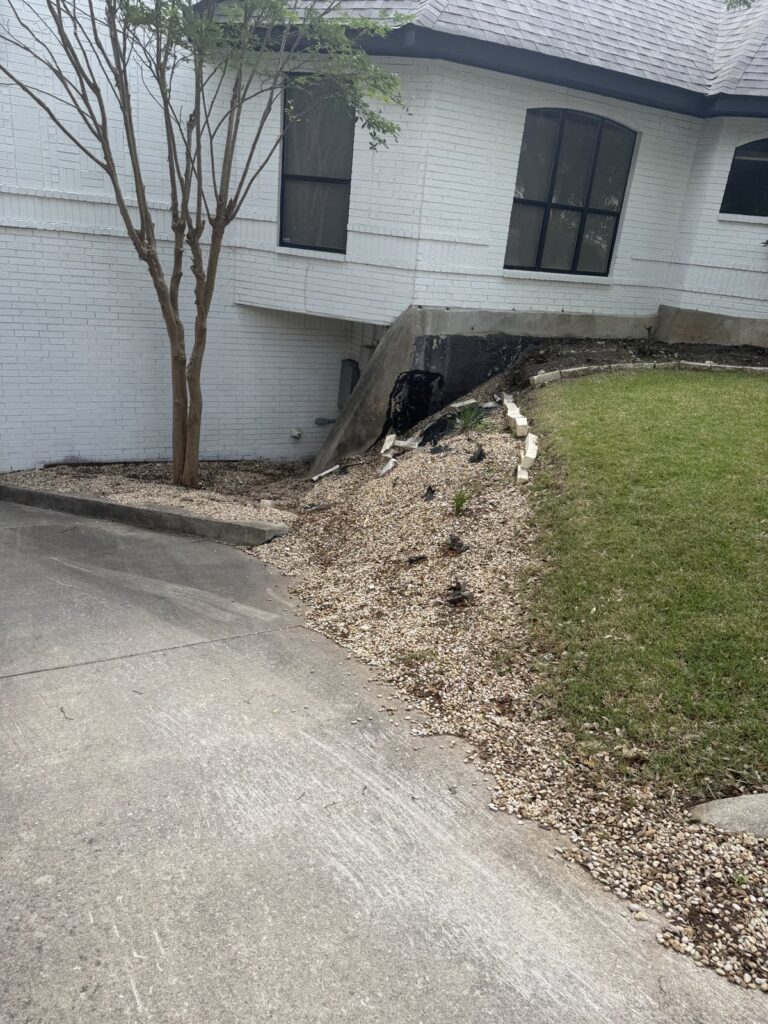 Before
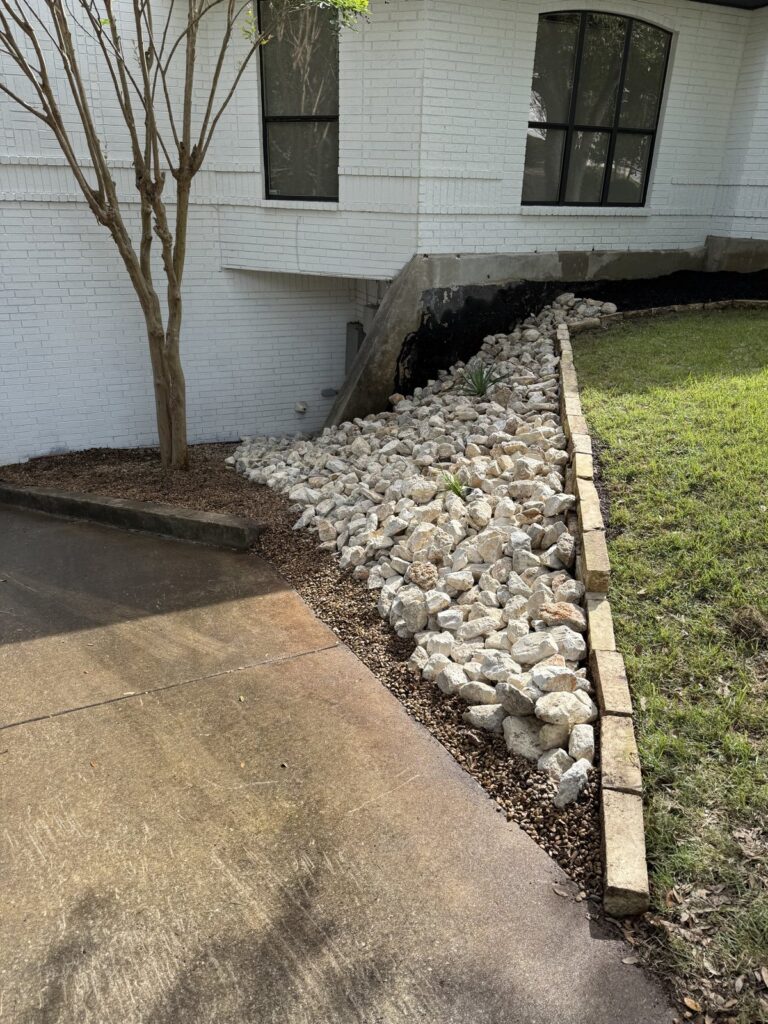 After
Cedar Creek · Far Northwest San Antonio
Railroad-Tie Wall to Limestone Rip Rap Erosion Control
A failed railroad-tie wall replaced with a budget-friendly limestone rip rap slope that keeps soil off the driveway.
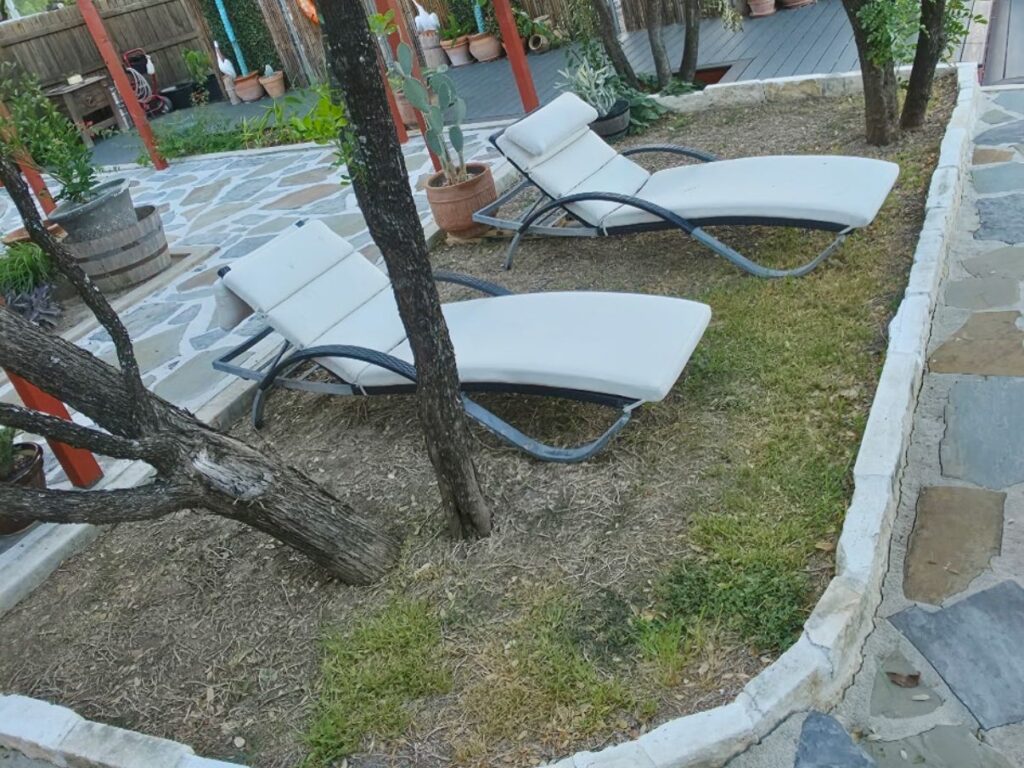 Before
 After
Inspiration Hills, San Antonio
Pet-Friendly Backyard Turf & Yoga Spot
A yoga spot the pets can share: pet-friendly turf on a well-draining base.
 Before
 After
Hallie’s Cove, Schertz
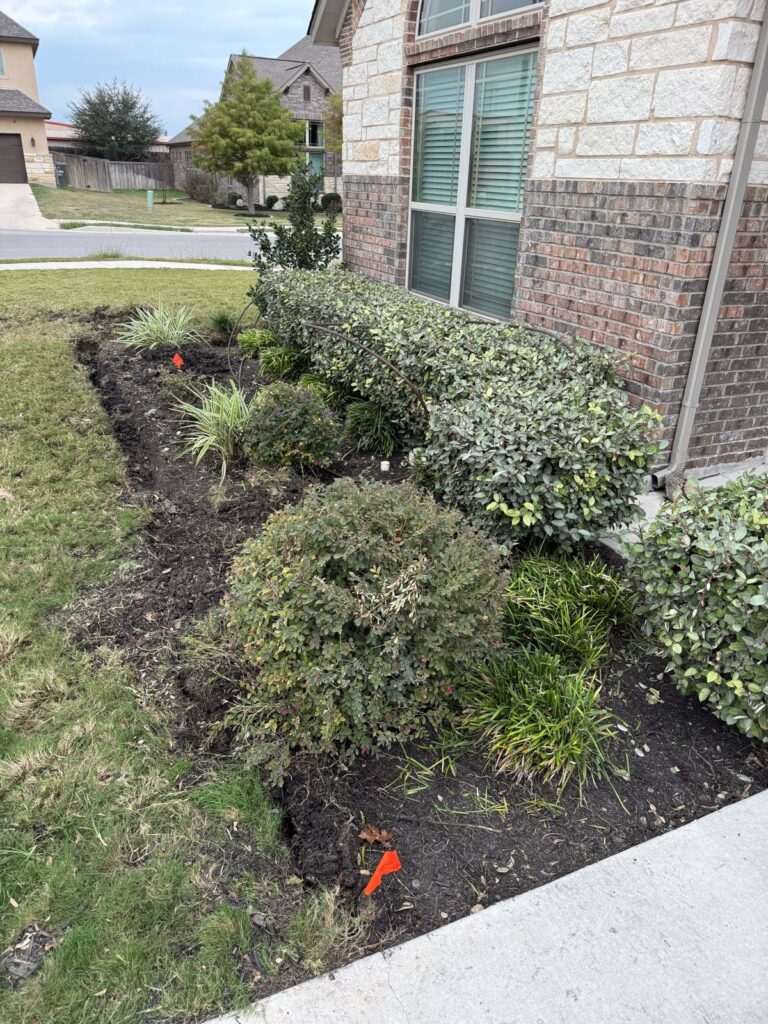
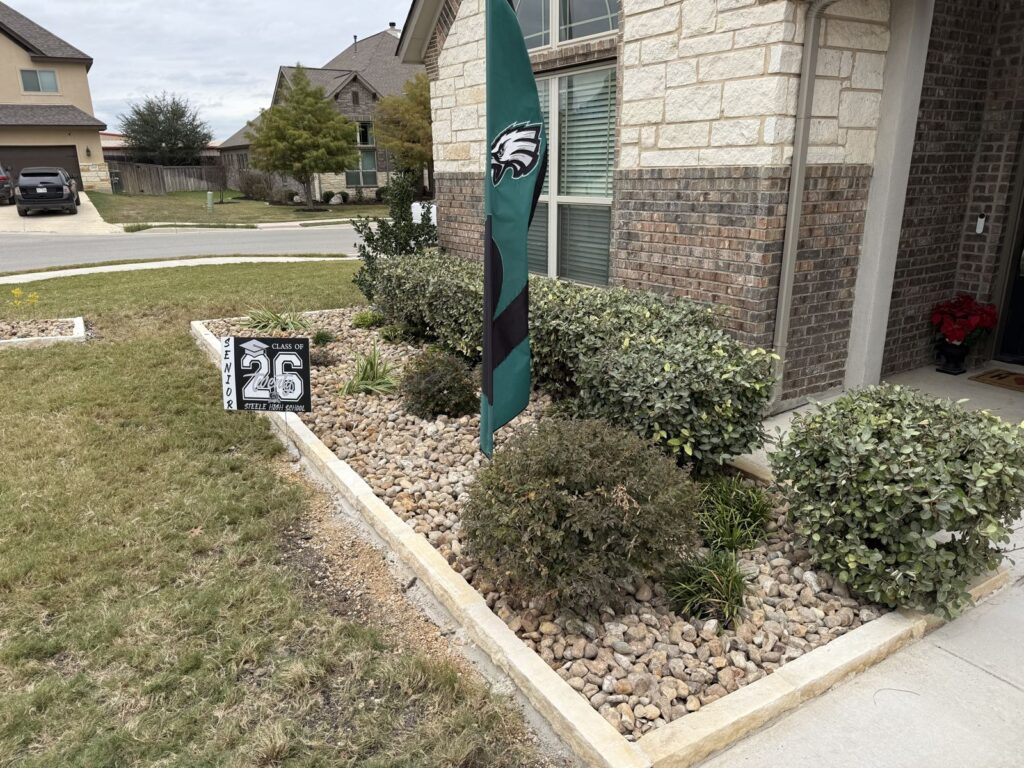
River Rock Bed with a Cut-Limestone Border
Weedy, edgeless front beds turned into easy-care river rock with a mortared limestone border.
 Before
 After
The Parklands · Northwest San Antonio
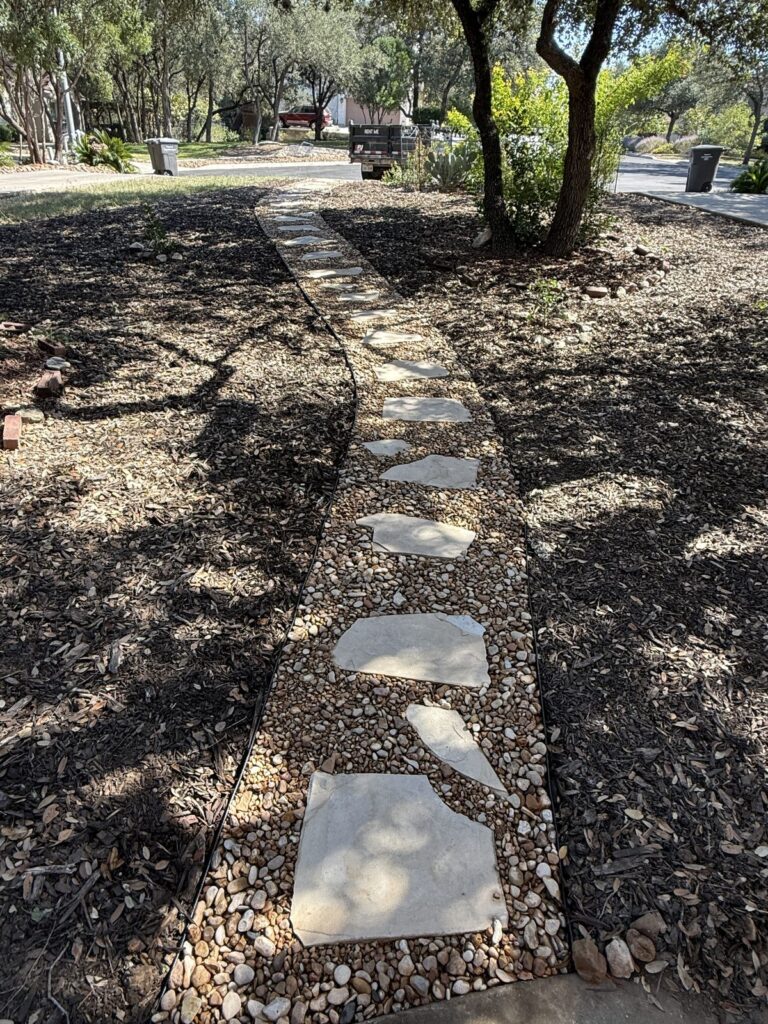
Flagstone Stepper Path in River Rock
Built from the homeowner’s own design rendering in one day.
 Before
 After
Wolf Creek · Far West San Antonio
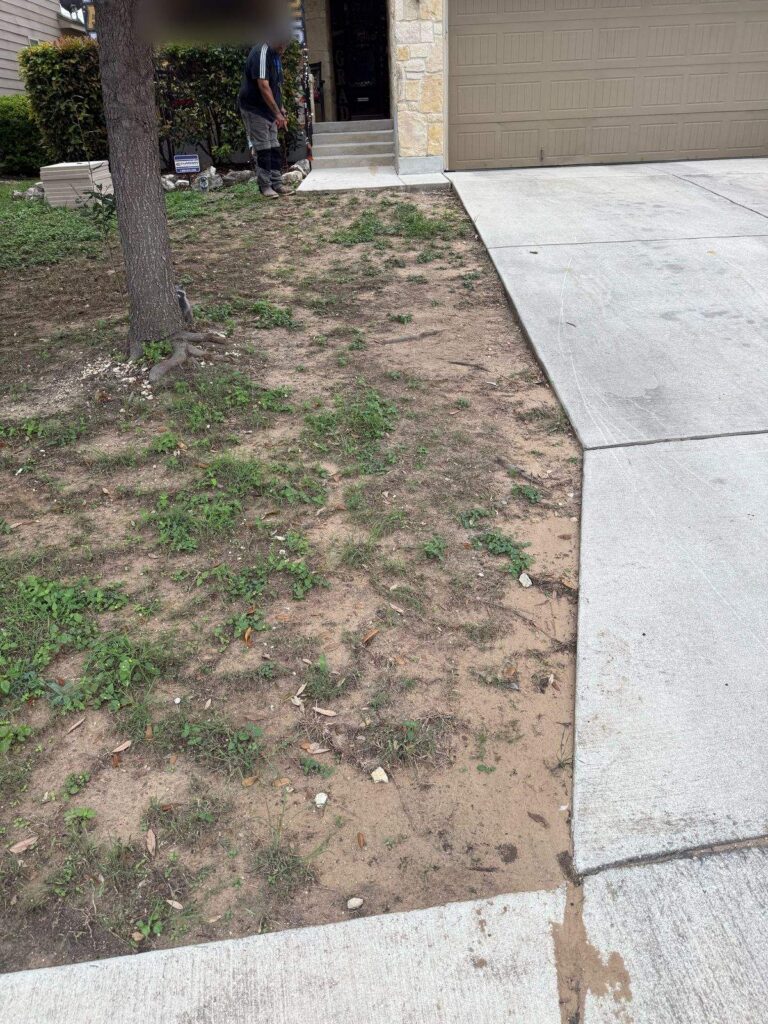
Paver Stepper Walkway, Sod & River Rock
Bare dirt by the driveway turned into a clean step-out path and new lawn.
 Before
 After
Oakwell Farms · San Antonio
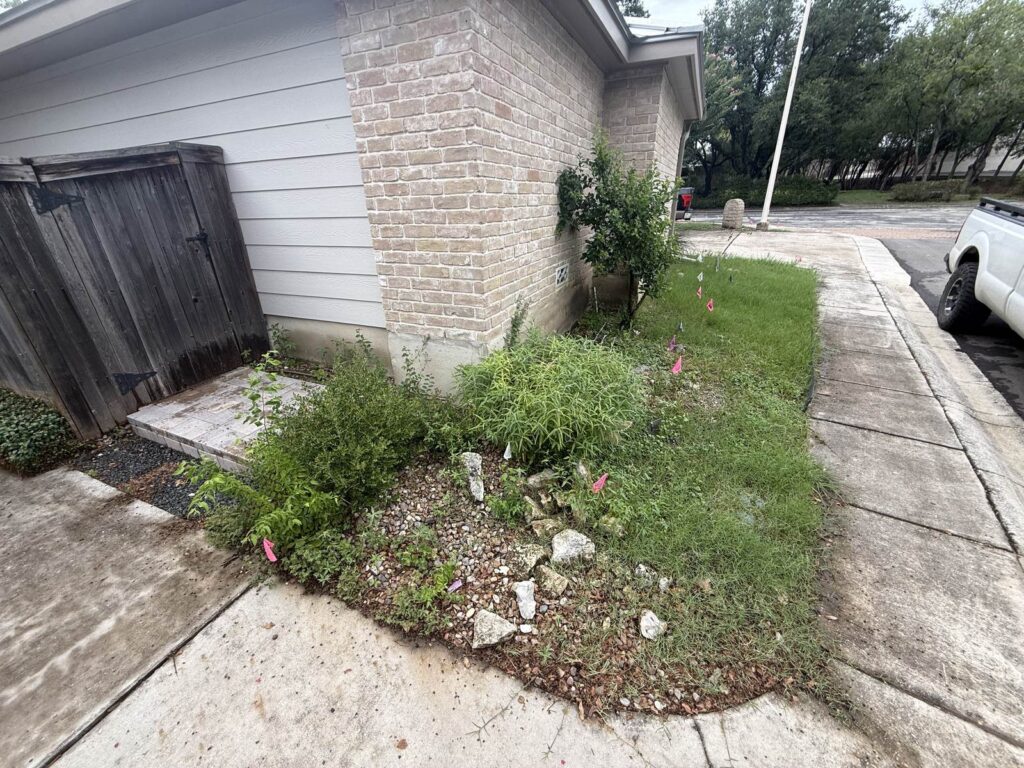
Xeriscape & Landscape Lighting
Thirsty grass swapped for a rock xeriscape, lit up after dark.
More about this kind of work
Ready to trade mulch for rock? Let’s plan it.
Tell us what you have in mind. We’ll come out, look at the space and give you a free written estimate.